


 | ||
|
| ||
News |


|
| Silicone Anti-slip Elastic Testing & Quality Standards: A Buyer's Guide for Apparel Manufacturers | ||||||||||||||||||||||
2026-07-08 12:14:03 | ||||||||||||||||||||||
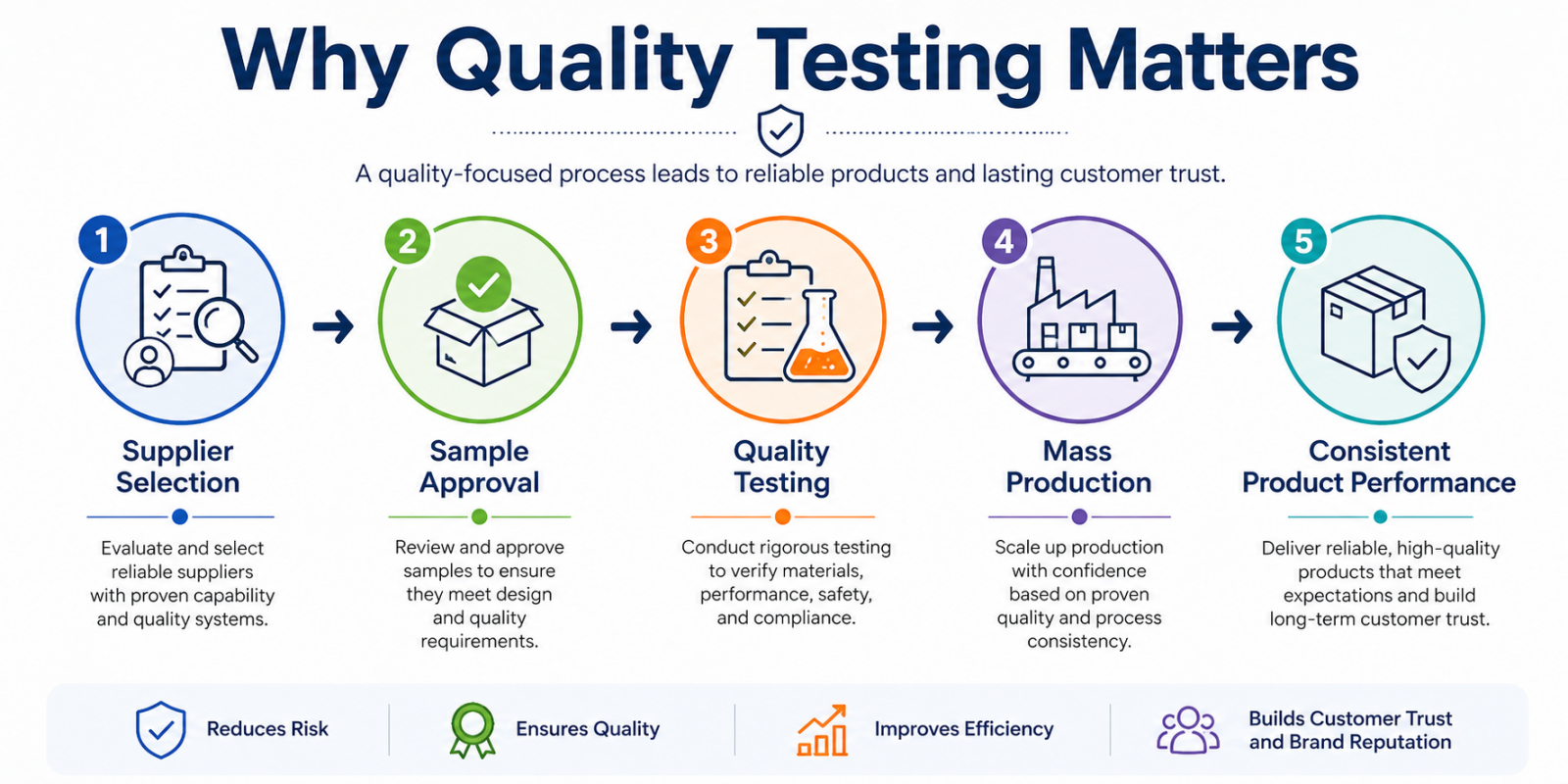
IntroductionAfter selecting the right silicone pattern, confirming OEM specifications, and reviewing MOQ and lead time, the next step in the sourcing process is quality verification. For apparel brands and manufacturers, consistent product quality is just as important as price and delivery. Silicone anti-slip elastic must maintain grip, elasticity, and appearance throughout production and repeated use. Without proper testing and quality control, issues such as silicone peeling, reduced grip, inconsistent elasticity, or color variation can affect garment performance and customer satisfaction. In this guide, we'll explain the key testing methods, quality inspection checkpoints, and quality control practices buyers should understand before placing production orders. If you've already explored our previous guides on RFQ preparation and production planning, this article will help you complete the next stage of your purchasing decision. Why Quality Testing Matters Before Mass ProductionMany sourcing decisions are based on quotations, lead time, and customization options. However, quality consistency often determines whether a supplier becomes a long-term manufacturing partner. Reliable testing helps buyers:
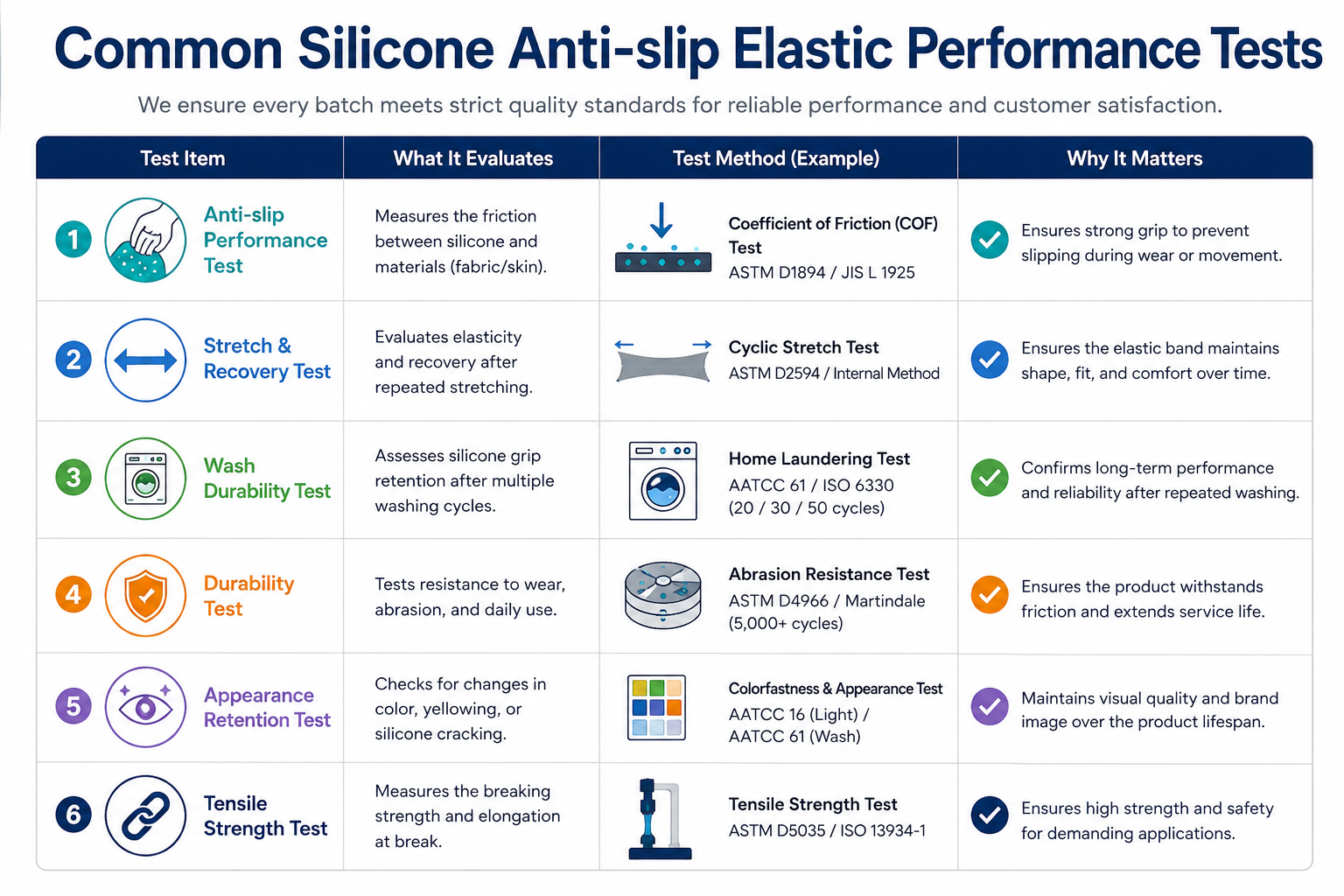
For OEM projects, quality testing is not simply a factory procedure—it is an important part of supplier evaluation and long-term supply chain management. Key Performance Tests Buyers Should UnderstandAlthough testing requirements vary by product category, most apparel buyers evaluate several core performance indicators when sourcing silicone anti-slip elastic.
Rather than focusing on a single test result, experienced buyers evaluate overall performance to determine whether a product can meet long-term application requirements.
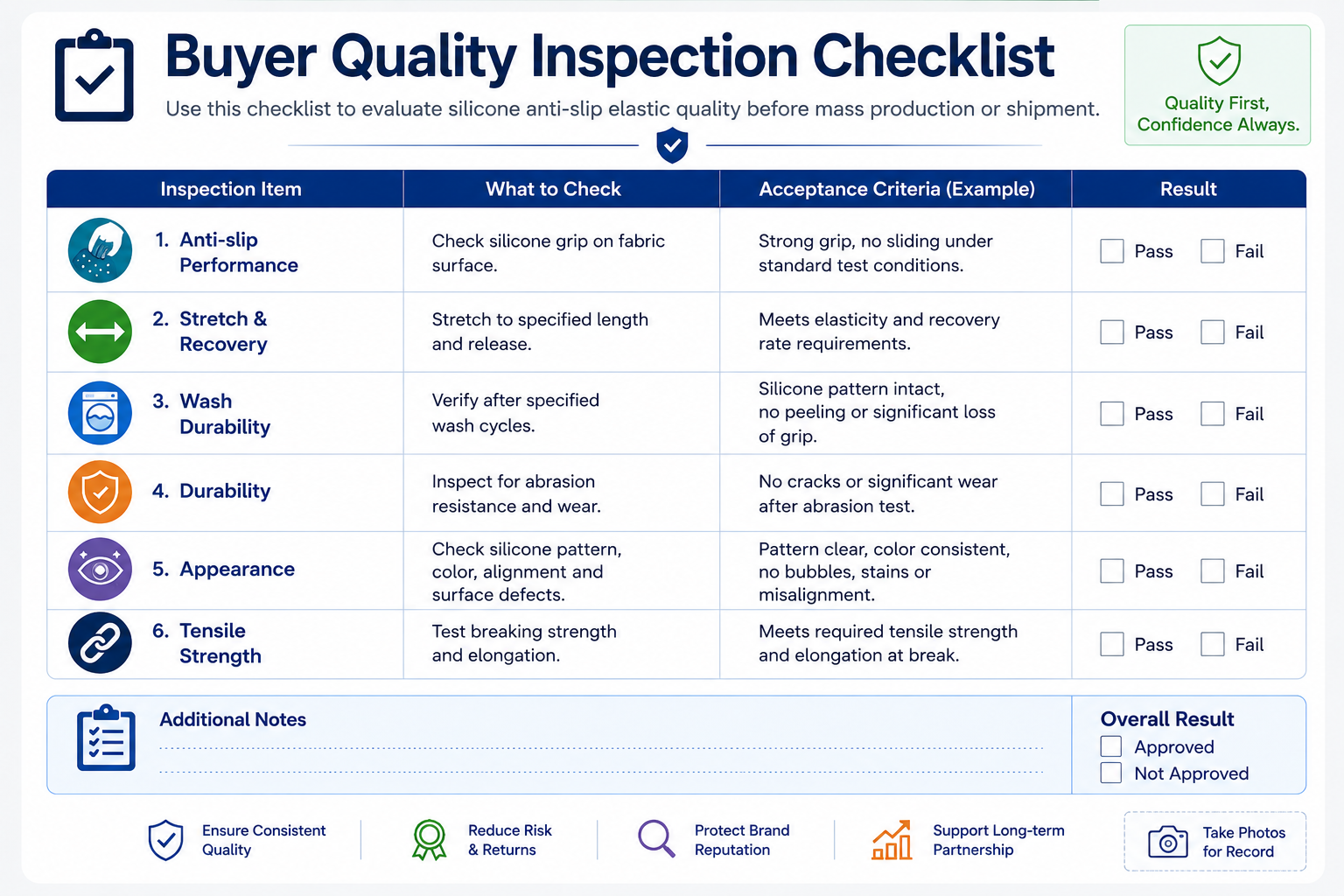
How Buyers Evaluate Silicone Anti-slip Elastic QualityBeyond laboratory testing, buyers typically assess product quality through practical inspection criteria before approving production. Common evaluation points include:
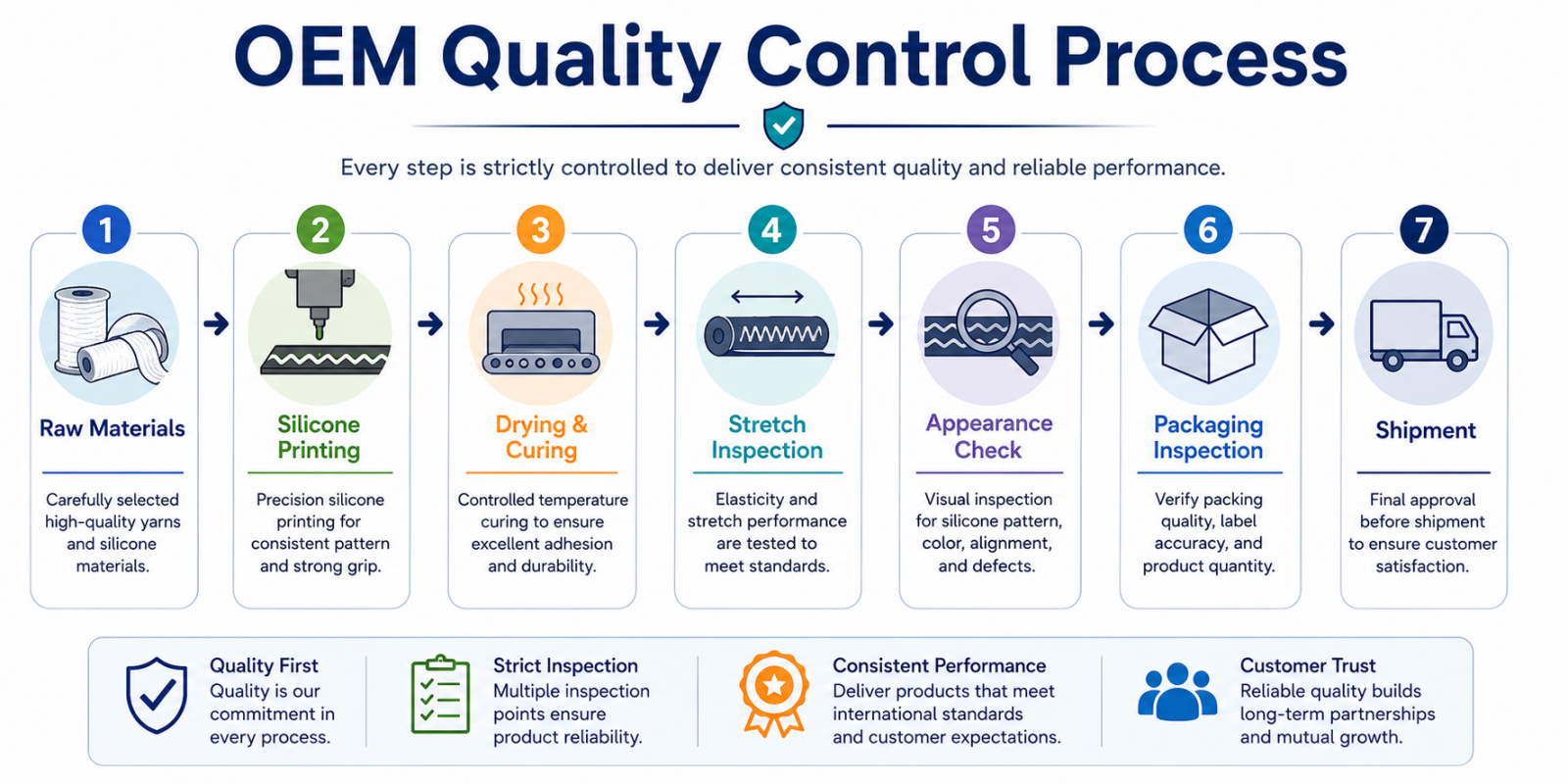
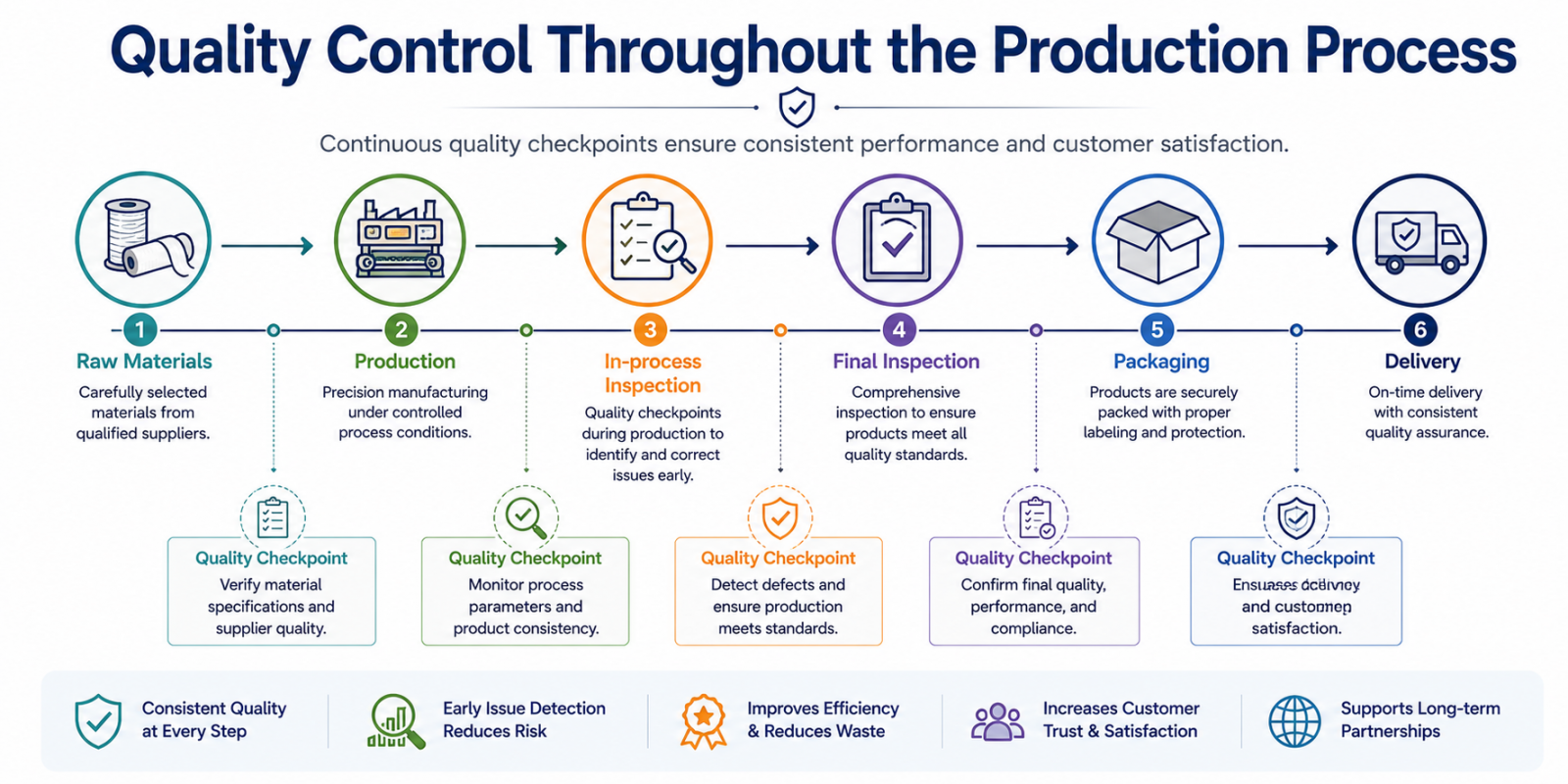
For customized projects, buyers may also compare production samples with approved artwork, Pantone colors, and technical specifications to ensure manufacturing consistency throughout the order. Instead of relying solely on certifications, experienced sourcing teams often use these practical inspection methods to compare suppliers objectively. OEM Quality Control Throughout ProductionConsistent quality begins long before the final inspection. Reliable manufacturers typically implement quality control throughout every production stage. A standard production quality workflow may include:
Monitoring each production stage helps reduce variation between production batches and improves manufacturing consistency for repeat orders. Questions Buyers Should Ask Before OrderingBefore placing an OEM order, buyers can reduce sourcing risks by asking suppliers several practical quality-related questions. Buyer Quality Checklist ✓ Has grip performance been verified? ✓ How is silicone adhesion inspected? ✓ Can production samples be approved before mass production? ✓ Is stretch recovery checked during production? ✓ How is color consistency maintained between batches? ✓ What inspection methods are used before shipment? ✓ Can customized packaging be inspected before delivery? ✓ Are production records maintained for repeat orders?
These questions help buyers compare suppliers based on quality management rather than price alone. Reliable Manufacturing Focuses on ConsistencyThe best manufacturing partners understand that buyers value consistency more than isolated test results. Reliable suppliers typically:
Consistent production helps apparel brands reduce sourcing uncertainty, simplify future purchasing decisions, and build long-term supplier relationships. Quality should not be viewed as a single inspection at the end of production—it should be integrated into every stage of the manufacturing process.
ConclusionSuccessful sourcing decisions are based on more than competitive pricing or short lead times. Understanding how silicone anti-slip elastic is tested and controlled allows buyers to evaluate suppliers more confidently and reduce production risks. By reviewing testing methods, inspection checkpoints, and quality control processes before mass production, apparel manufacturers can improve product consistency and strengthen long-term supplier partnerships. If you've completed supplier selection, RFQ preparation, and production planning in our previous guides, quality verification is the next essential step toward successful OEM sourcing. Continue Reading
|
 |
Fu Jyi Lin Enterprise Co., Ltd. Copyright © 2014 |
| Address: 10071 No.17-1, SHAU ANN St., Zhongzheng Dist., Taipei City 100, Taiwan (R.O.C.)
TEL:886-2-2301-5900 , 886-2-2307-0952 FAX:886-2-2307-5424 , 886-2-2332-6930 E-Mail:info@fujyilin.com.tw |