

 | ||
|
| ||


Webbing & Tape
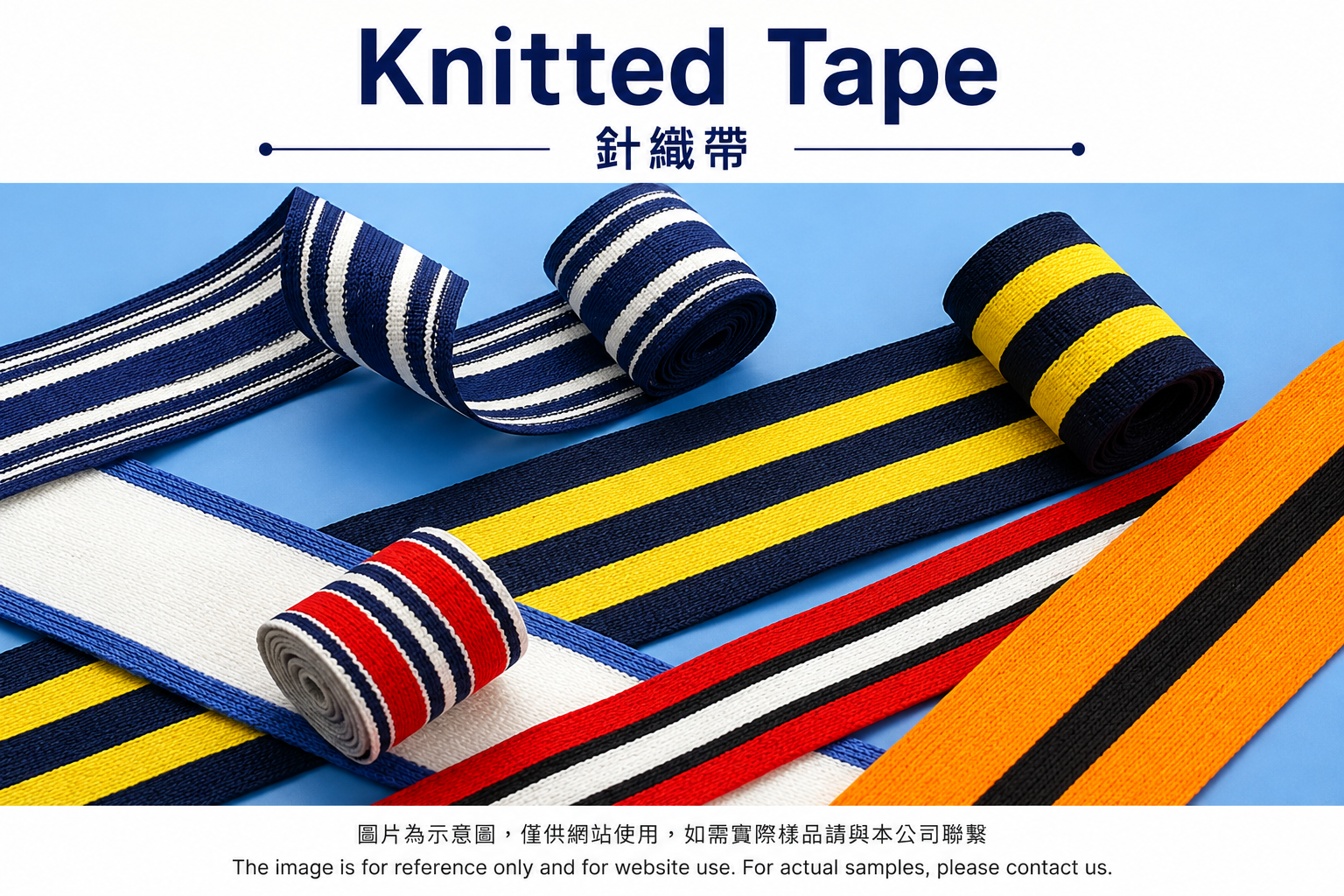
Product Name : Knitted Tape
| Description |
| Knitted tape is a narrow textile material formed through a knitted loop structure, offering a soft and flexible construction for a wide range of sewn-product applications. Depending on the knit design, it can be developed with lightweight, compact, mesh-like, or decorative surface effects. Typical applications include apparel, sportswear, collar and seam reinforcement, decorative trims, drawcords, bags, footwear, accessories, and other narrow-textile components. Common materials include Polyester, Recycled Polyester (rPET), and Cotton. Width, knit construction, density, thickness, surface texture, hand feel, and color can be adjusted according to the intended application. Some knitted tape constructions may provide limited structural or mechanical stretch through the knitted loop structure even without elastane, spandex, or rubber yarn. This Structural Stretch varies with material, knit construction, density, width, and finishing, and should not be confused with the controlled elasticity of knitted elastic tape. Fu Jyi Lin supports OEM and ODM development from physical samples, product photos, dimensions, material references, target hand feel, or end applications. We can assist with material selection, knit structure, width, Structural Stretch, color, printing, converting, and sample development. Physical sampling is recommended when specific stretch, texture, dimensional, or sewing requirements must be confirmed before mass production. |
 Features
 |
||
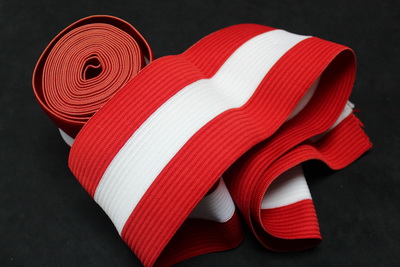
1 - Knitted Tape |
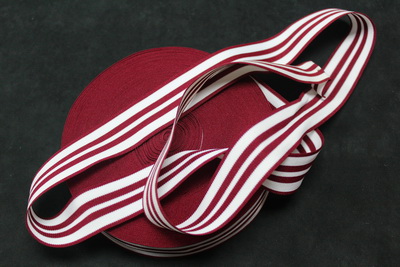
2 - Knitted Tape |
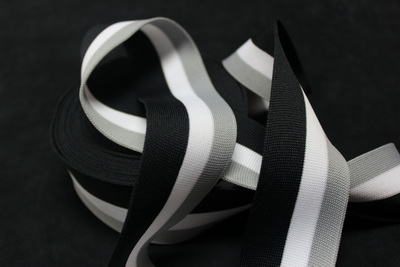
3 - Knitted Tape |
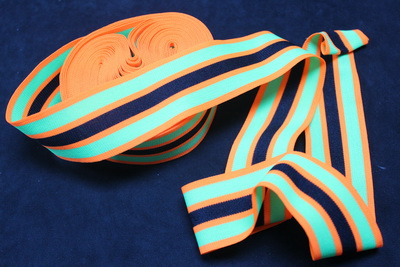
4 - Knitted Tape |
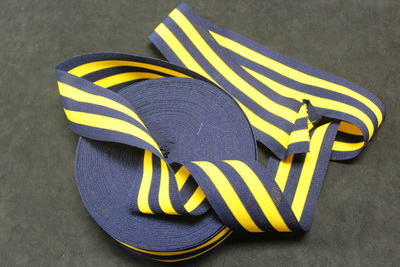
5 - Knitted Tape |
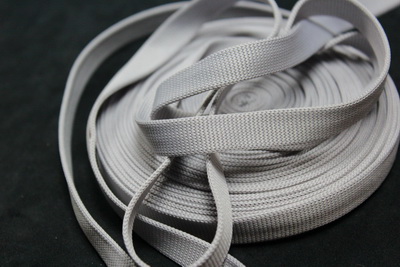
6 - Knitted Tape |
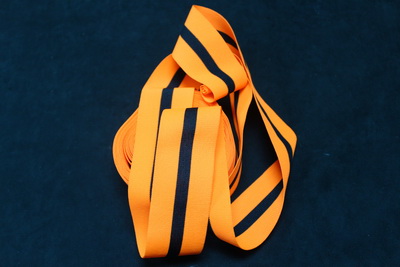
7 - Knitted Tape |
|
Specification |
|
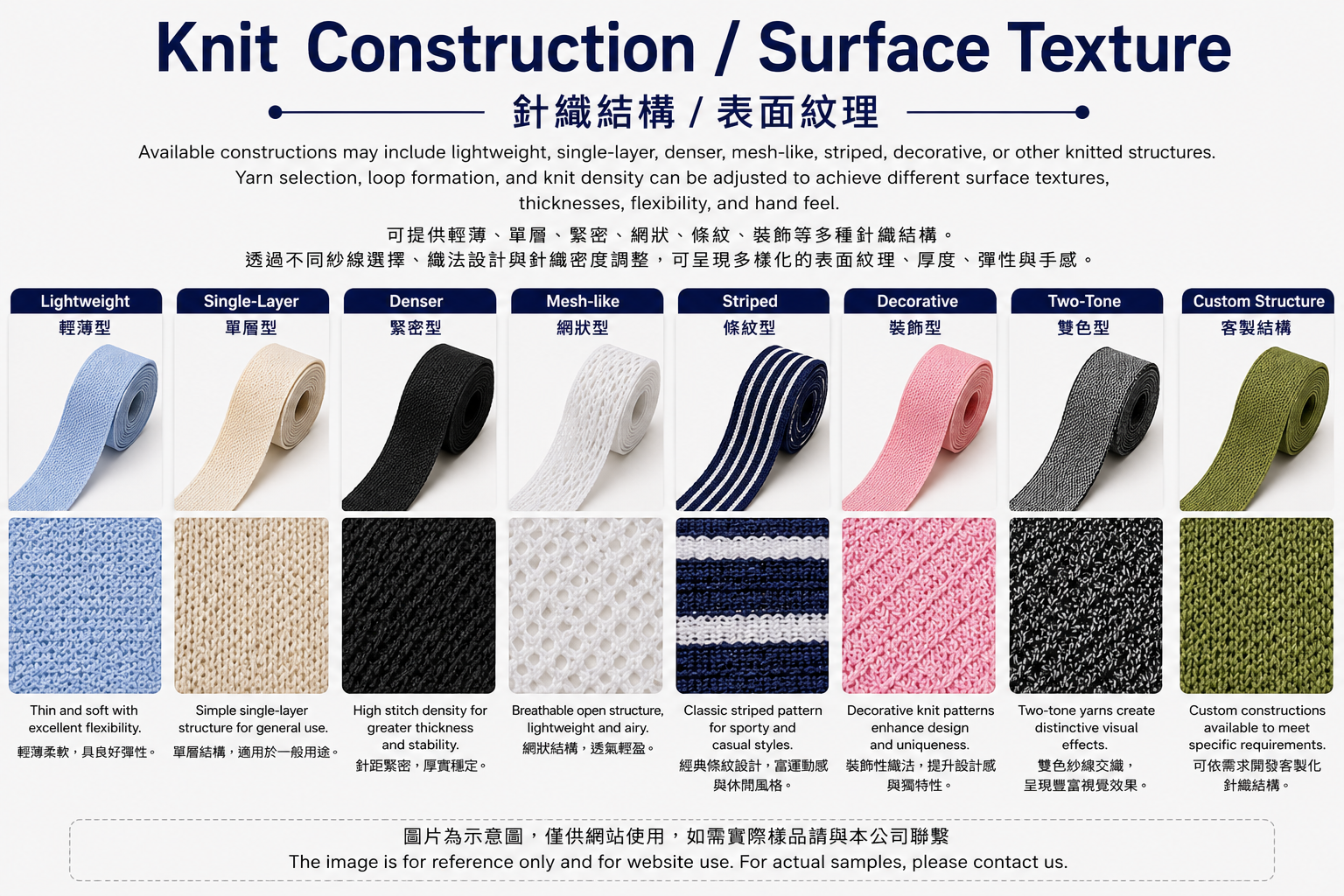
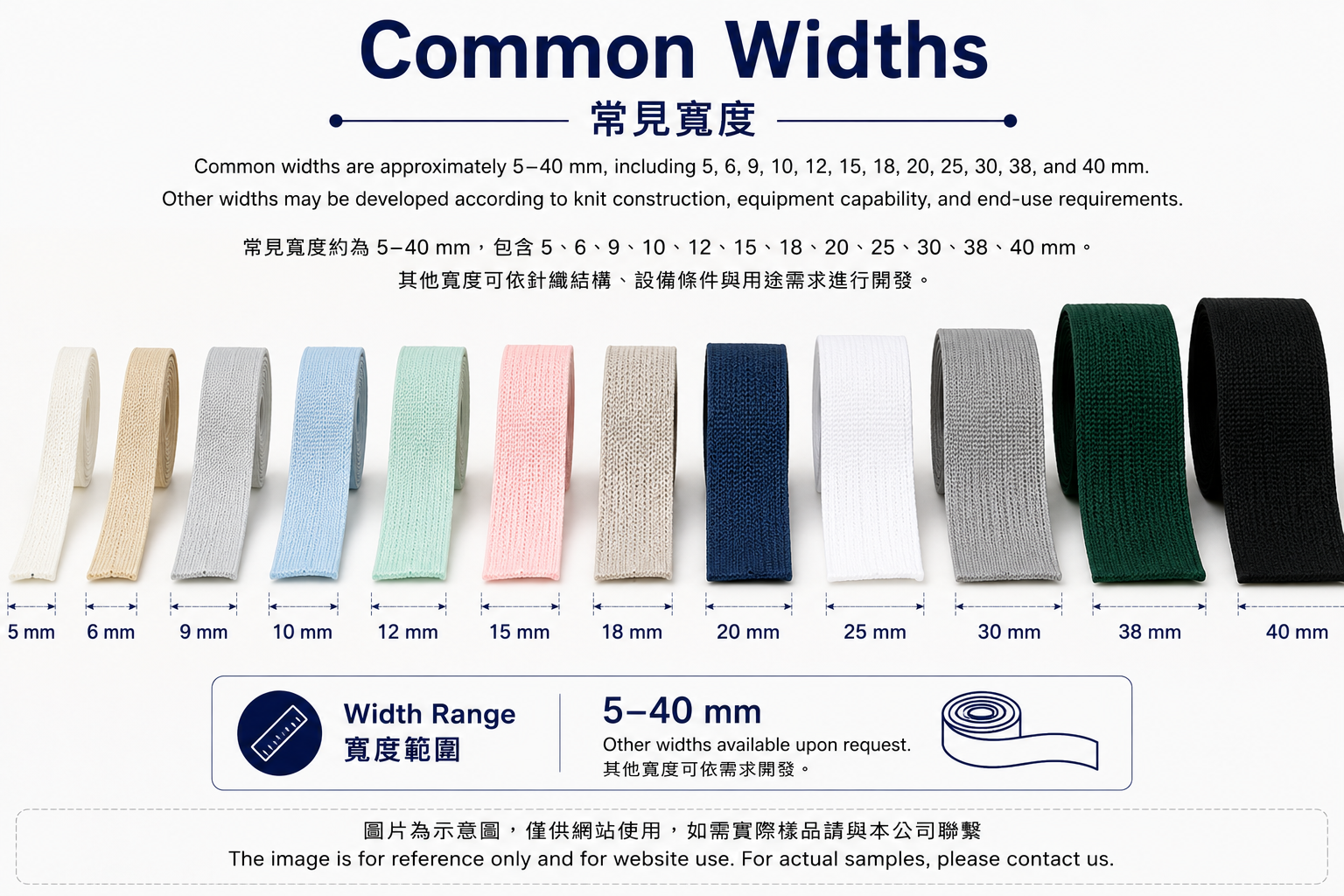
**Product Name** Knitted Tape(Knit Tape) **Product Type / Construction** A narrow textile tape produced with a knitted loop construction. This page focuses on knitted tape developed “without elastane, spandex, or rubber yarn as the primary elastic component”. Depending on the knit structure, the tape may still provide limited Structural Stretch through the loop construction. **Material** Common materials include **Polyester, Recycled Polyester (rPET), and Cotton**. Other fibers or blended materials may be evaluated according to the required knit structure, hand feel, appearance, and end application. **Knit Construction / Surface Texture** Available constructions may include “lightweight, single-layer, denser, mesh-like, striped, decorative, or other knitted structures”. Yarn selection, loop formation, and knit density can be adjusted to achieve different surface textures, thicknesses, flexibility, and hand feel. **Common Widths** Common widths are approximately “5–40 mm”, including “5, 6, 9, 10, 12, 15, 18, 20, 25, 30, 38, and 40 mm”. Other widths may be developed according to knit construction, equipment capability, and end-use requirements. **Thickness** Thickness varies according to material, yarn size, knit construction, density, width, and required hand feel. A single universal thickness range is therefore not specified. For applications requiring a defined thickness or compatibility with specific sewing or assembly equipment, physical samples or target specifications are recommended. **Structural Stretch** Some knitted tape constructions may provide limited ”Structural Stretch“ through the knitted loop structure even without elastane, spandex, or rubber yarn. Actual stretch and recovery depend on material, knit construction, density, width, and finishing. Structural Stretch should not be considered equivalent to the controlled elasticity of knitted elastic tape. Specific elongation or recovery requirements should be confirmed through sampling and testing. **Colors / Custom Color Matching** Existing colors and custom colors can be developed according to material and project requirements. Custom color matching may be based on a “Pantone reference, physical color swatch, or approved sample”. Reasonable color variation may occur between different fibers, dyeing processes, surface structures, and production lots. **Dyeing Options** Depending on material, color, and construction, knitted tape may be developed using “Yarn-Dyed” or ”Piece-Dyed“ processes. The appropriate dyeing method should be selected according to fiber type, required appearance, order quantity, and project specifications. **Printing / Surface Processing** Logo, text, or pattern printing may be evaluated according to material, surface texture, knit structure, and base color. Polyester knitted tape may also be evaluated for “sublimation printing” where suitable. Print definition, color appearance, and required durability should be confirmed during sample development. **Basic Converting** Available processing may include ”cut-to-length processing, heat cutting where suitable, ultrasonic cutting, sewing, joining, or other converting operations“. The appropriate cutting and edge treatment should be selected according to material and knit construction. **Applications** Suitable for **apparel, sportswear, collar and seam reinforcement, decorative trims, drawcords, hood cords, bags, footwear, accessories, and other narrow-textile applications**. Product selection should consider material, width, knit construction, hand feel, and required Structural Stretch. **Standard Roll Packing** “30 m per roll” is a common roll-packing format. “50 m per roll, 100 m per roll”, or other specified roll lengths may also be evaluated according to material, width, knit construction, and processing requirements. **Custom Packaging** Custom options may include specified roll lengths, small-roll packing, cut-length packing, labels, barcodes, inner bags, export cartons, or other packaging formats. Special packing requirements may affect MOQ, cost, and lead time. **MOQ** MOQ depends on material, width, knit construction, color, dyeing method, printing, finishing, packaging, and order quantity. Existing constructions, common widths, and available colors may have different production requirements from newly developed structures, custom colors, or special processing. Final MOQ is confirmed after specifications are reviewed. **OEM / ODM Services** Fu Jyi Lin supports development from **physical samples, product photos, dimensional specifications, material references, target hand feel, Structural Stretch requirements, or end applications**. We can assist with material selection, knit construction, width, color, dyeing, printing, converting, sampling, and production specification development. **Specification Notes** Knitted tape may exhibit different levels of Structural Stretch depending on material, knit construction, density, width, and finishing. This does not mean that all products provide a fixed elongation or recovery rate. If a project requires defined elongation, recovery, dimensional tolerance, colorfastness, abrasion resistance, or other performance criteria, the applicable test method and acceptance requirements should be confirmed during sample development before mass production. |
|
Asks Description |
|
Frequently Asked Questions (FAQ) 1. What information should I provide for an accurate quotation? Please provide the material, width, color, estimated quantity, end application, and packaging requirements. If applicable, also include the required hand feel, surface texture, Structural Stretch, printing, dyeing, or converting requirements. If the exact knit construction is not available, a physical sample, product photo, dimensional reference, or finished-product sample can be used for evaluation. 2. What customization options are available for Knitted Tape? Knitted Tape can be developed in different materials, widths, knit constructions, densities, surface textures, thicknesses, hand feels, colors, and finishing options. Structural Stretch can also be adjusted through the knitted construction, but it should not be treated as the controlled elasticity of knitted elastic tape. If a specific elongation or recovery level is required, sampling and testing are recommended. 3. Is sample development recommended before mass production? Yes. Sample development is recommended when the project requires a new knit construction, specific hand feel, defined Structural Stretch, special width, custom color, printing, or compatibility with a particular sewing or assembly process. Sampling helps confirm dimensions, appearance, texture, stretch behavior, and processing suitability. The approved sample can then serve as the reference for final production specifications and quality evaluation. 4. How are MOQ and lead time determined? MOQ and lead time depend on material, width, knit construction, color, dyeing method, printing, finishing, packaging, and order quantity. Existing constructions, common widths, and available colors are generally easier to arrange. New knit structures, special widths, custom dyeing, or defined Structural Stretch requirements may require additional sampling, material preparation, and production setup before mass production can be scheduled. 5. How can Fu Jyi Lin support Knitted Tape development? Fu Jyi Lin can support development from physical samples, product photos, dimensional specifications, material references, target hand feel, Structural Stretch requirements, or end applications. We can assist with material selection, knit construction, width, color, dyeing, printing, converting, sampling, and production specification development. This allows buyers to begin development even when the complete technical specification has not yet been finalized. |
|
Other |
|
|
 |
Fu Jyi Lin Enterprise Co., Ltd. Copyright © 2014 |
| Address: 10071 No.17-1, SHAU ANN St., Zhongzheng Dist., Taipei City 100, Taiwan (R.O.C.)
TEL:886-2-2301-5900 , 886-2-2307-0952 FAX:886-2-2307-5424 , 886-2-2332-6930 E-Mail:info@fujyilin.com.tw |