

 | ||
|
| ||


Webbing & Tape
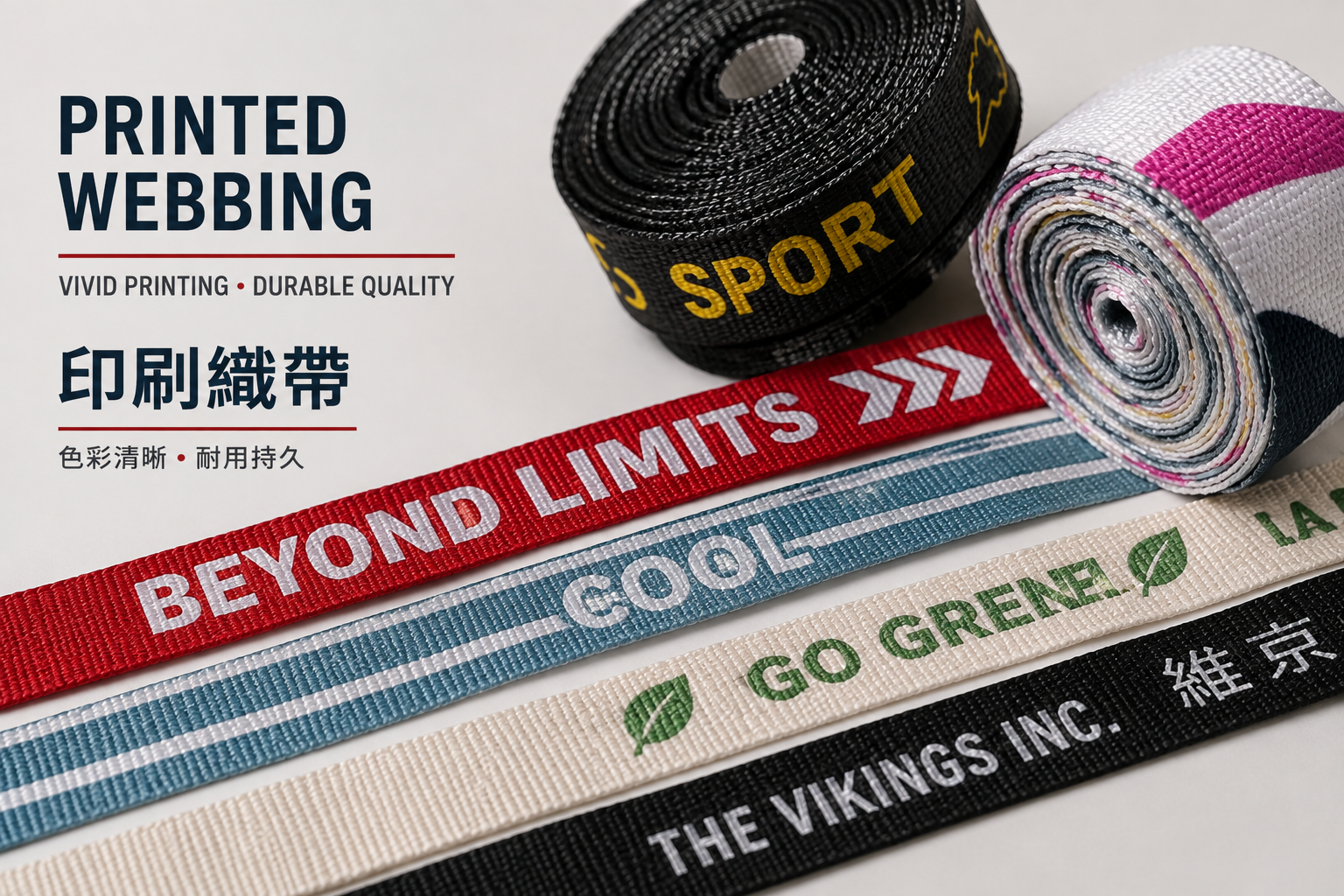
Product Name : Printed Webbing
| Description |
| Custom printed webbing combines woven narrow fabric with custom logos, text, or patterns for bags, apparel, footwear, pet products, lanyards, sporting goods, promotional items, and branded packaging. Its appearance and performance depend on the base material, surface texture, base color, printing method, and intended application. Available materials may include polyester, nylon, polypropylene, cotton, recycled polyester, and selected blends. Printing options can include screen printing, heat-transfer printing, dye-sublimation transfer, and direct digital textile printing. Screen printing suits solid-color logos and repeated graphics, while dye sublimation is mainly used on white or light-colored polyester for multicolor, gradient, or detailed artwork. Smooth, tightly woven surfaces generally reproduce small text and fine lines more clearly. Fu Jyi Lin supports OEM and ODM projects through material selection, artwork review, color confirmation, sampling, converting, and packaging coordination. For quotation, buyers should provide the material, width, thickness, base color, artwork, print size or repeat length, printing side, quantity, end use, and testing requirements. Physical samples are recommended before mass production because colors may vary between screen previews, proofs, and actual printed webbing. |
 Features
 |
||
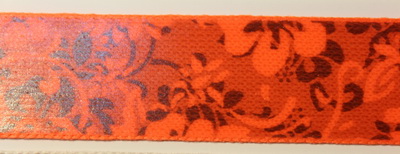
1 - Printed Tape |
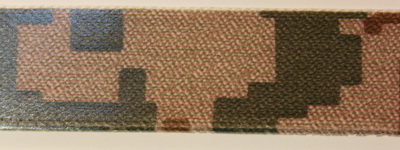
2 - Printed Tape |
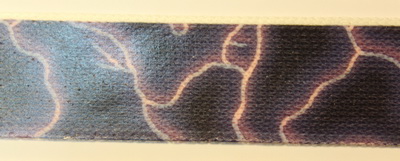
3 - Printed Tape |
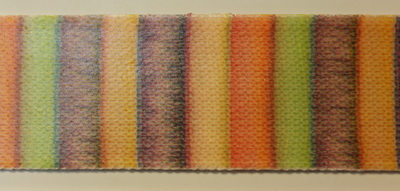
4 - Printed Tape |
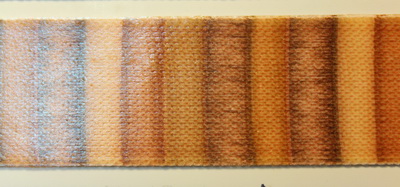
5 - Printed Tape |
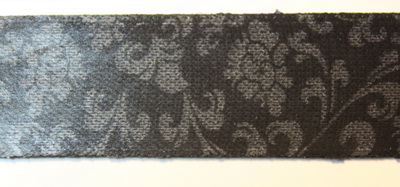
6 - Printed Tape |
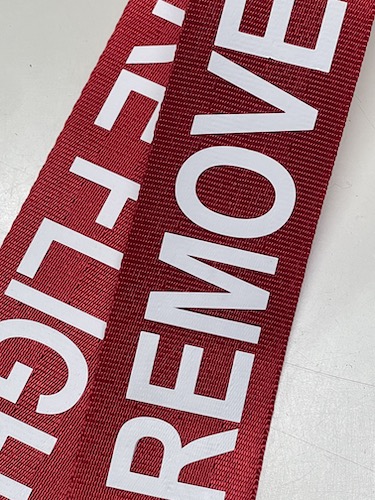
7 - Printed Webbing |
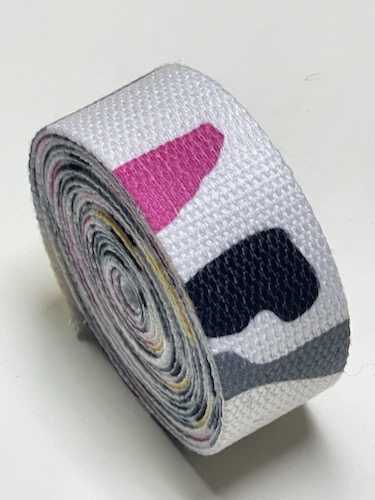
8 - Printed Webbing |
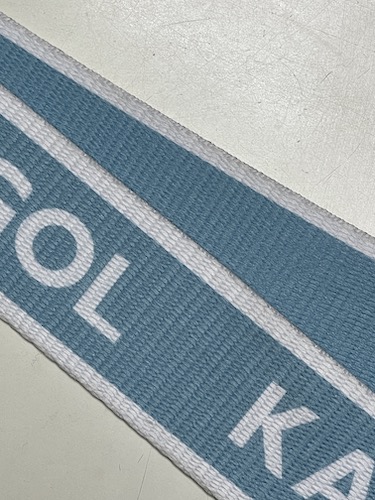
9 - Printed Webbing |
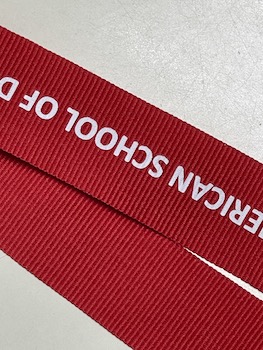
10 - Printed Webbing |
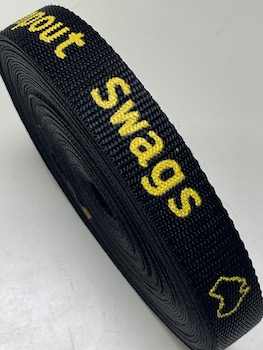
11 - Printed Webbing |
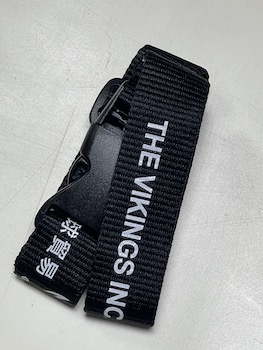
12 - Printed Webbing |
|
Specification |
|
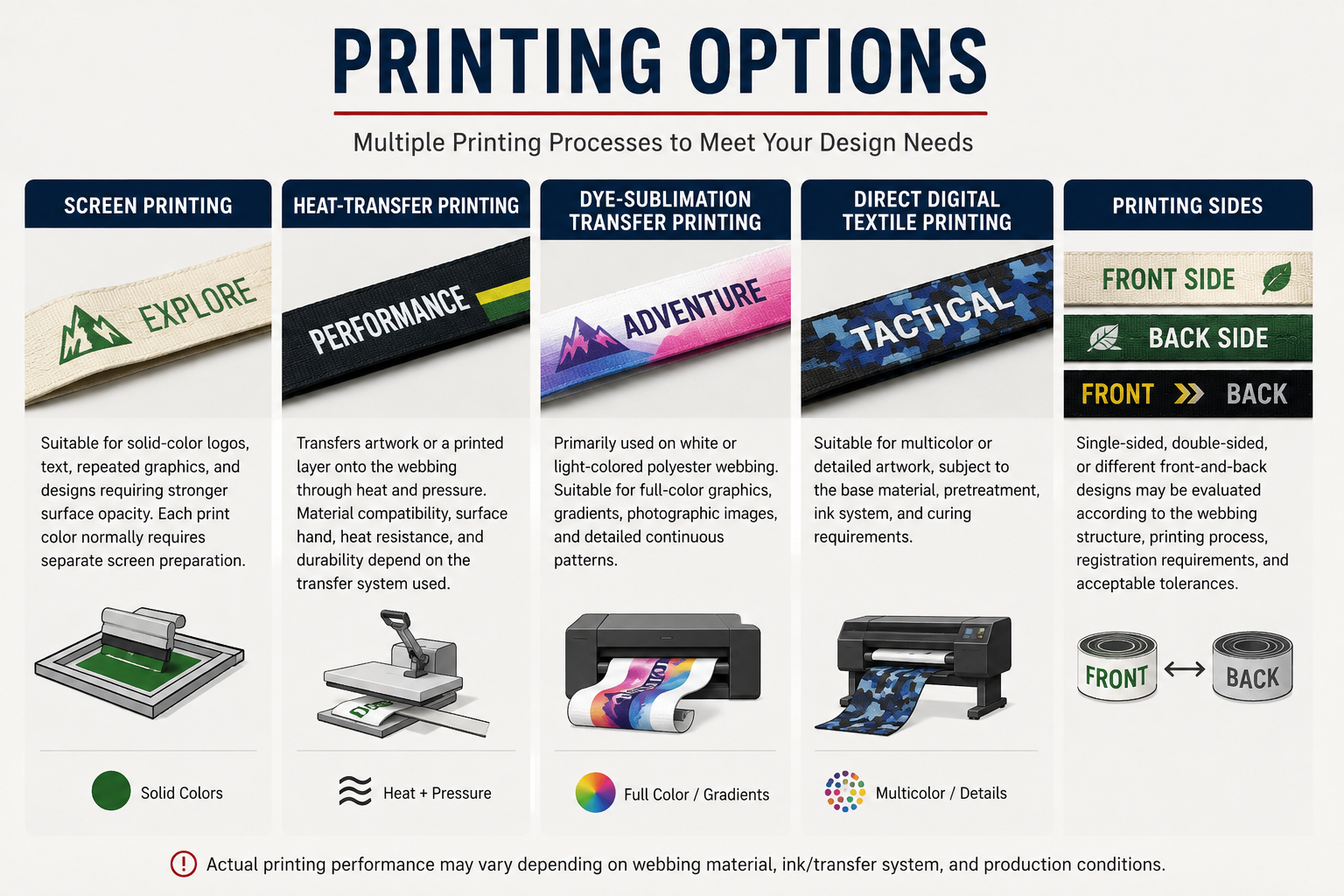
**Product Name** Custom Printed Webbing **Material** Polyester, nylon or polyamide, polypropylene, and cotton are available as base-webbing materials. Recycled polyester, poly-cotton, elastic blends, and other fiber combinations may be evaluated according to project requirements. Fiber type, surface treatment, heat resistance, and ink compatibility affect the suitable printing process and finished appearance. **Common Blend Ratios** Common constructions include **100% polyester**, **100% nylon or polyamide**, **100% polypropylene**, and **100% cotton**. Poly-cotton, recycled-content, elastic, and other blended constructions are project-specific. Exact blend ratios should be selected according to the required hand feel, strength, stretch, print compatibility, and end application. **Common Widths** Common widths range from approximately **10 to 50 mm**, including **10, 15, 20, 25, 30, 38, 40, and 50 mm**. Other widths may be evaluated according to the base-webbing construction, printing equipment, artwork size, edge safety area, strength requirement, and order quantity. **Common Thicknesses** Common thicknesses range from approximately **1.0 to 2.0 mm**. Actual thickness depends on the material, weave, surface structure, hand feel, strength requirement, and end application. Lightweight lanyard webbing, standard flat webbing, and heavier constructions should be evaluated separately. **Weave Options** Plain weave and smooth, tightly woven surfaces are frequently selected for printed webbing. Satin or satin-like constructions may also be used where a smoother or more refined surface is required. Twill, herringbone, ribbed, seatbelt-style, tubular, and other structures may be evaluated according to material availability and printing compatibility. Fine text and detailed graphics are generally clearer on smooth, low-texture surfaces. **Colors / Custom Color Matching** Base webbing may be selected from available colors or developed to match a Pantone reference, physical swatch, or approved sample. White or light-colored polyester is preferred for dye-sublimation printing. Dark or highly saturated base colors require evaluation of ink opacity, white underbase requirements, and the selected printing process. Pantone and on-screen colors are development references; final approval should be based on an actual printed webbing sample. **Custom Dyeing MOQ** Custom dyeing MOQ is determined by the base material, width, color, dyeing process, and order quantity. Existing-color webbing and custom-dyed base webbing may have different minimum order requirements. MOQ, sampling conditions, and lead time should be confirmed before development. **Printing Options** 。Screen Printing: Suitable for solid-color logos, text, repeated graphics, and designs requiring stronger surface opacity. Each print color normally requires separate screen preparation. 。Heat-Transfer Printing: Transfers artwork or a printed layer onto the webbing through heat and pressure. Material compatibility, surface hand, heat resistance, and durability depend on the transfer system used. 。Dye-Sublimation Transfer Printing: Primarily used on white or light-colored polyester webbing. Suitable for full-color graphics, gradients, photographic images, and detailed continuous patterns. 。Direct Digital Textile Printing: Suitable for multicolor or detailed artwork, subject to the base material, pretreatment, ink system, and curing requirements. 。Single-sided, double-sided, or different front-and-back designs may be evaluated according to the webbing structure, printing process, registration requirements, and acceptable tolerances. **Basic Converting** Available converting options may include cut-to-length processing, heat cutting, ultrasonic cutting, end finishing, punching, folding, sewing, riveting, buckle or hardware assembly, and other finished-strap operations. The suitable method depends on the fiber type, thickness, printed area, edge condition, and final product construction. **Functional Finishing** Water-repellent treatment, softening, stiffening, soil-release treatment, antibacterial treatment, flame-retardant treatment, and other functional finishes may be evaluated according to the application. Finishing can affect ink adhesion, color, surface hand, and print durability. The processing sequence should therefore be confirmed before sampling. Any performance claim must be supported by an agreed test method and actual test results. **Applications** Bags and backpacks, apparel accessories, footwear, pet collars and leashes, lanyards and ID straps, medal ribbons, sporting goods, outdoor accessories, promotional products, branded packaging, gift items, and other custom textile products. Load-bearing, fall-protection, safety-critical, or other high-risk applications require separate evaluation of the base-webbing construction, post-print strength, and testing requirements. **Standard Roll Packing** 50 m or 100 m per roll, subject to the base material, width, thickness, printing process, production conditions, and joint policy. **Custom Packaging** Custom roll lengths, cut-length sets, small-roll packing, individual packing, labels, barcodes, inner bags, export cartons, retail packaging, and other specified packing formats may be evaluated. Special roll lengths or retail-ready packaging may affect MOQ, unit cost, and lead time. **MOQ** MOQ is determined by the base material, width, thickness, base color, printing process, artwork, printing side, and converting requirements. It is generally calculated for each combination of material, width, base color, and artwork. Existing-color webbing and custom-dyed webbing may have different minimum order quantities. **OEM / ODM Services** Fu Jyi Lin supports base-webbing selection, specification review, artwork feasibility checking, printing-process recommendations, color-reference confirmation, sample development, converting integration, mass-production planning, and custom packaging. For quotation, buyers should provide the end application, material, width, thickness, base color, artwork, print size or repeat length, printing side, quantity, performance requirements, and any reference samples. **Specification Notes** Materials, widths, thicknesses, and roll lengths are reference specifications; final feasibility depends on the base webbing, surface, color, printing process, and end use. Heat-transfer printing is a broad category and is not necessarily dye sublimation; dye sublimation is mainly suitable for polyester. Printing may be affected by webbing movement, stretch, heat shrinkage, texture, and registration tolerance, so fine text and edge-positioned graphics require a suitable safety area. Screen previews and paper proofs are approximate only. Final color and artwork approval should be based on a physical strike-off made with the intended webbing and production process. Reasonable color, position, and hand-feel variations may occur between lots. Any abrasion, wash, light, weather, or other performance requirement must be specified during inquiry and verified using agreed test methods and acceptance criteria. |
|
Asks Description |
|
Frequently Asked Questions (FAQ) 1. What information should I provide for an accurate quotation? Please provide the required base material, width, thickness, base color, artwork, print size or repeat length, printing side, estimated order quantity, and end application. If available, include a Pantone reference, physical color sample, or existing webbing sample. Any converting, packaging, or performance-testing requirements should also be specified. If the printing method has not yet been determined, Fu Jyi Lin can evaluate suitable options based on the artwork, material, and intended use. 2. What customization options are available? Custom printed webbing can be developed with different base materials, widths, thicknesses, colors, weave surfaces, and print designs. Printing options may include screen printing, heat-transfer printing, dye-sublimation transfer, and direct digital textile printing, depending on material compatibility. Logos, text, repeated patterns, gradients, and detailed graphics can be evaluated. Additional options may include custom dyeing, single- or double-sided printing, cutting, sewing, hardware assembly, functional finishing, and custom packaging. 3. Is sample development recommended before mass production? Yes. Physical sampling is recommended, especially for new materials, custom base colors, fine text, detailed graphics, gradients, or double-sided designs. Screen previews, paper proofs, transfer samples, digital simulations, and actual printed webbing may show different colors because of differences in substrate, ink, equipment, and curing conditions. For projects with strict color requirements, final approval should be based on a physical strike-off produced with the intended base webbing and production printing process. 4. How are MOQ and lead time determined? MOQ and lead time depend on the base material, width, thickness, base color, printing process, artwork complexity, number of print colors, printing side, and required converting or packaging. Existing-color webbing and simpler print designs can generally be arranged more efficiently, while custom-dyed webbing, double-sided printing, complex registration, special finishing, or assembled products may require additional development and production steps. Final MOQ and lead time are confirmed after specification and sample requirements are reviewed. 5. How can Fu Jyi Lin support my OEM project? Fu Jyi Lin supports OEM and ODM projects from base-webbing selection and specification review through artwork evaluation, printing-process recommendations, color confirmation, sampling, converting, and packaging coordination. Buyers may begin with technical specifications, artwork, a reference sample, or a target product concept. We help establish practical production requirements for material, dimensions, printing, finishing, and quality expectations, then coordinate sample approval and mass-production specifications for repeat orders. |
|
Other |
|
|
 |
Fu Jyi Lin Enterprise Co., Ltd. Copyright © 2014 |
| Address: 10071 No.17-1, SHAU ANN St., Zhongzheng Dist., Taipei City 100, Taiwan (R.O.C.)
TEL:886-2-2301-5900 , 886-2-2307-0952 FAX:886-2-2307-5424 , 886-2-2332-6930 E-Mail:info@fujyilin.com.tw |