

 | ||
|
| ||


Webbing & Tape
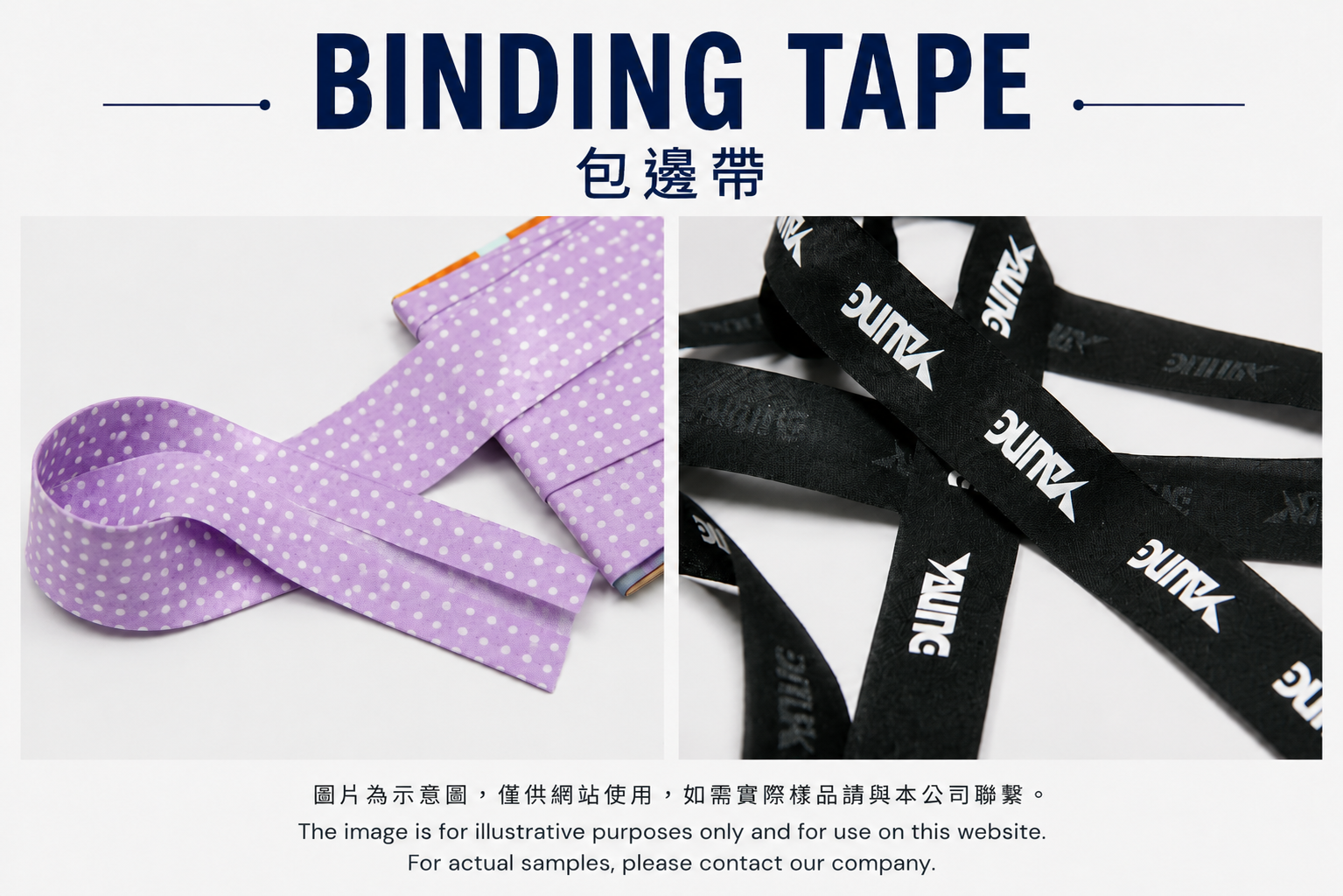
Product Name : Fold-Over Binding Tape
| Description |
| Fold-over binding tape is a non-elastic narrow textile material designed to wrap and finish the edges of fabrics, foam, mesh, and other sewn components. Its pre-folded construction helps create a consistent binding line and supports efficient sewing during assembly. Depending on the required structure and end use, it is suitable for apparel, footwear, bags, backpacks, home textiles, protective products, and other sewn applications requiring edge binding or finishing. Two main construction options are available. Woven Fold-Over Binding Tape is produced directly as a narrow woven tape and then pre-folded and formed to the required dimensions. Fabric-Cut Fold-Over Binding Tape is cut from selected fabric and then folded, with straight-cut or bias-cut options available according to the application. Material, open width, pre-folded width, finished binding width, thickness, fold configuration, hand feel, color, and surface appearance can be developed to suit specific product requirements. Fu Jyi Lin supports OEM and ODM development from physical samples, dimensional drawings, fabric samples, materials to be bound, or target applications. We can assist with selecting the appropriate construction, cut direction, dimensions, material, color, and folding method. Physical sampling with the actual binding material and sewing conditions is recommended before mass production. |
 Features
 |
||
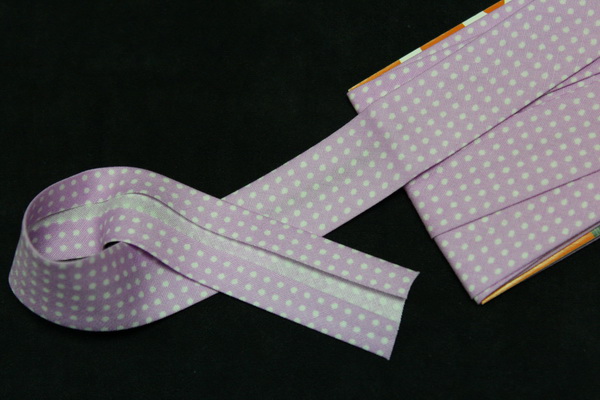
1 - Webbing Binding Tape |
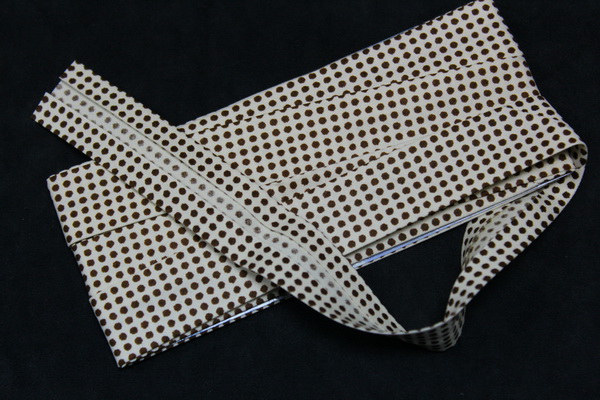
2 - Webbing Binding Tape |
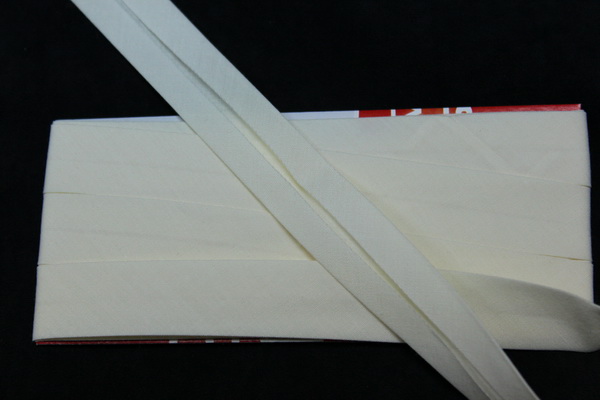
3 - Webbing Binding Tape |
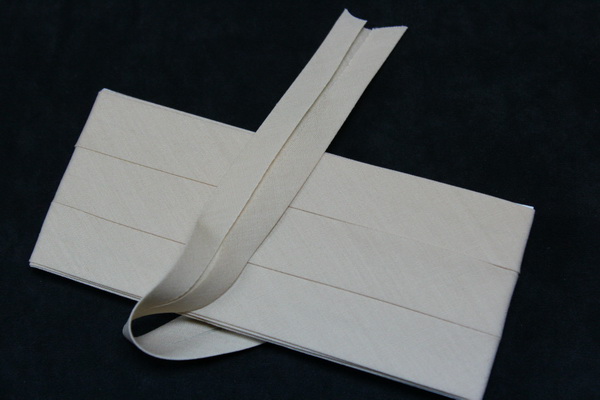
4 - Webbing Binding Tape |
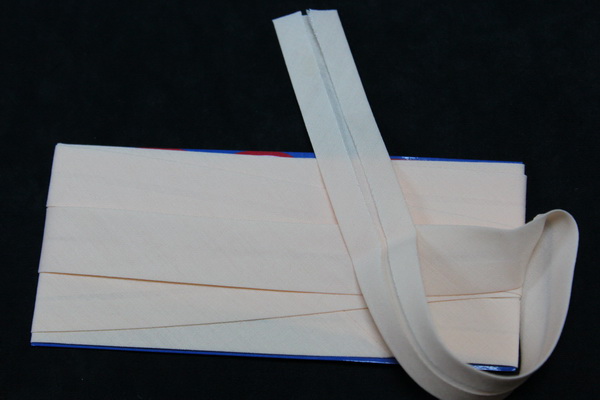
5 - Webbing Binding Tape |
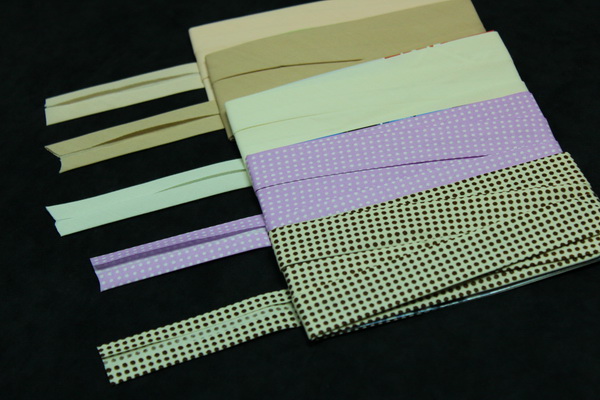
6 - Webbing Binding Tape |
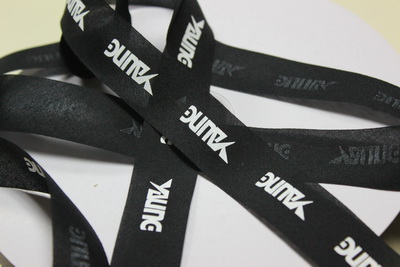
7 - Webbing Binding Tape |
|
Specification |
|
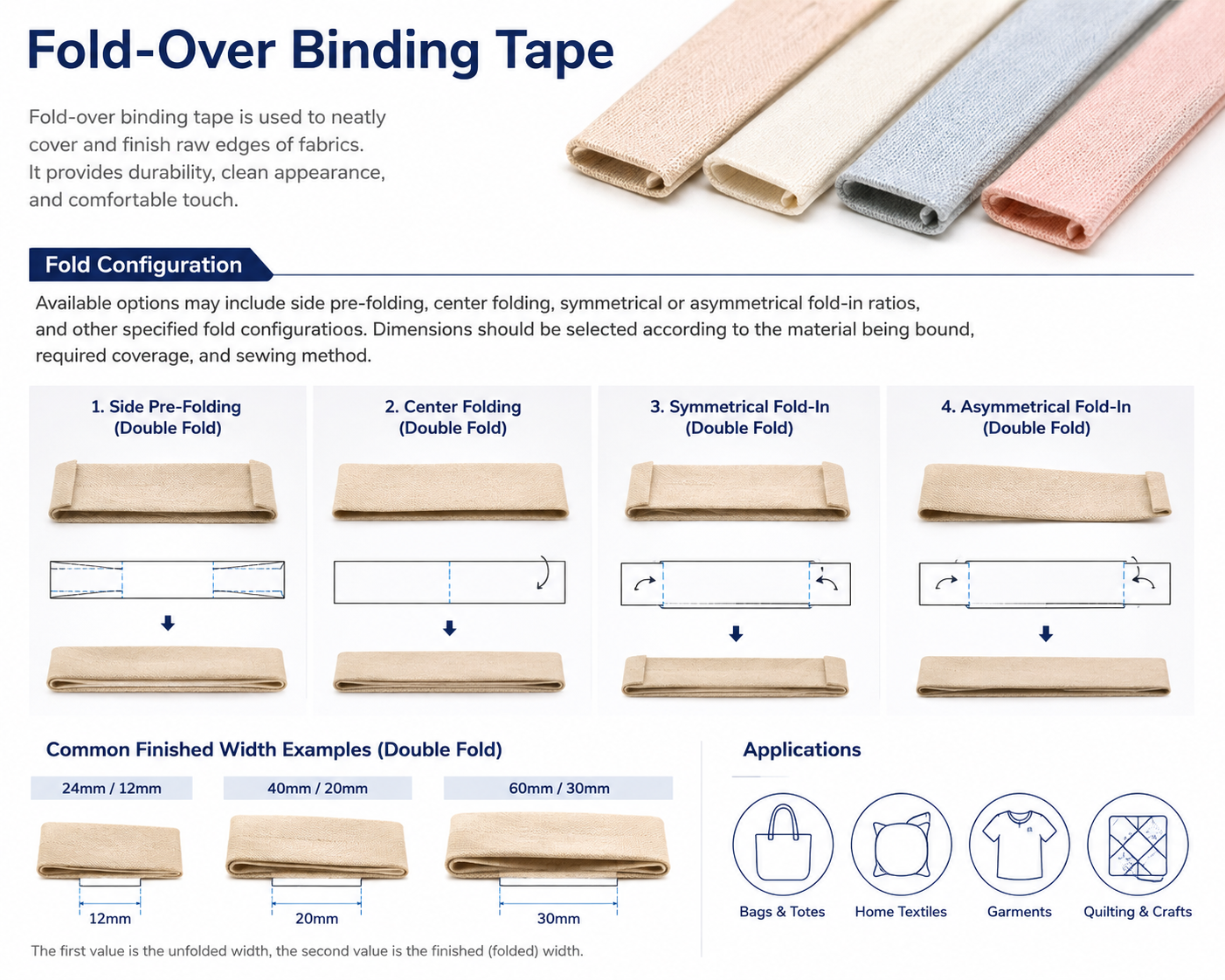
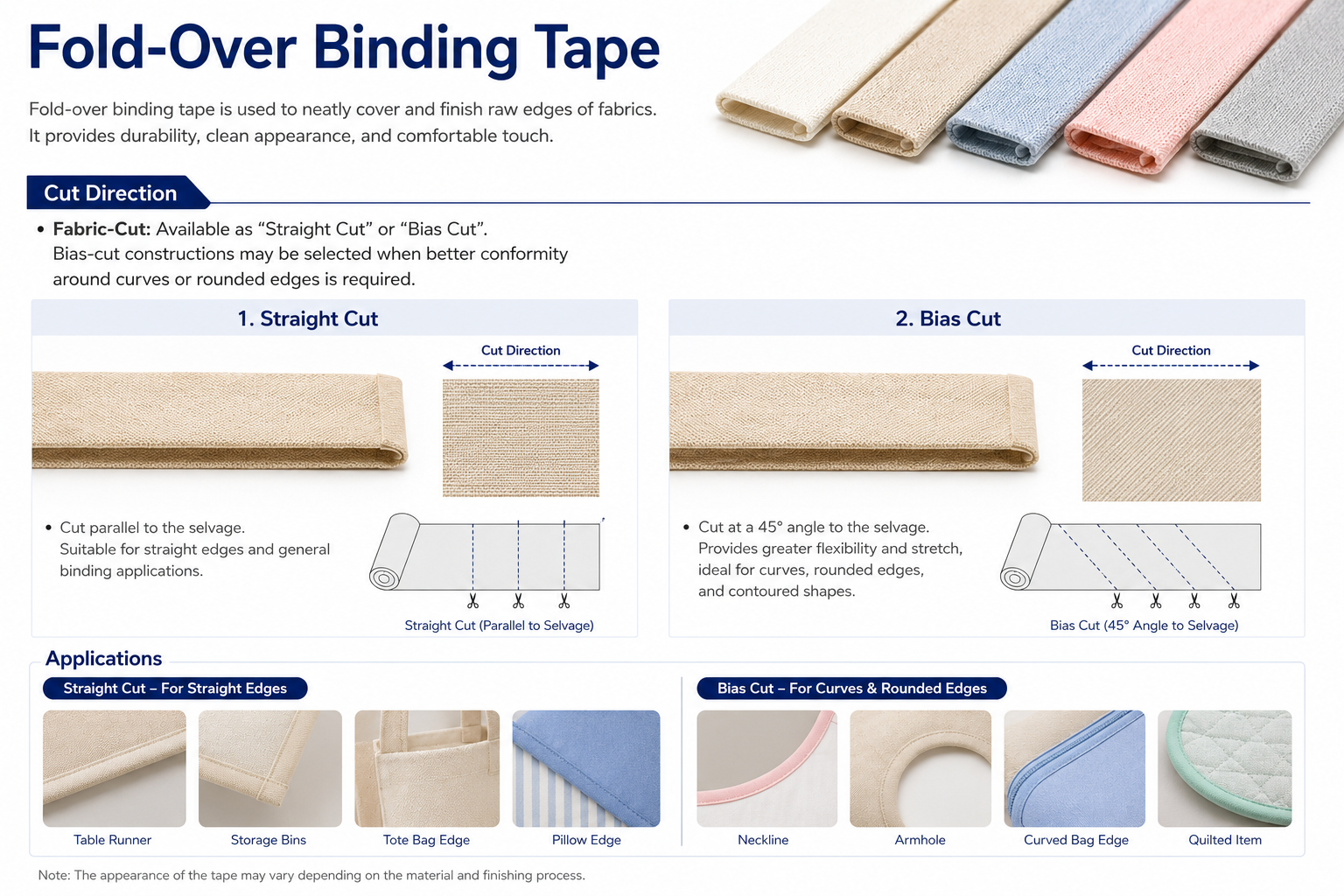
**Product Name** Fold-Over Binding Tape **Product Types / Construction** Available as ”Woven Fold-Over Binding Tape“ or “Fabric-Cut Fold-Over Binding Tape”. Woven binding is produced directly as a narrow woven tape and then pre-folded. Fabric-cut binding is cut from selected fabric before folding and can be supplied in straight-cut or bias-cut constructions. **Material** 。Woven: Polyester, Nylon / Polyamide, Cotton, Polypropylene (PP), and selected yarn materials. 。Fabric-Cut: Cotton, Polyester, Nylon / Polyamide, Poly-Cotton, and other suitable base fabrics. Material selection depends on thickness, hand feel, appearance, folding behavior, and end use. **Cut Direction** 。Woven: Not applicable because the tape is directly woven to width. 。Fabric-Cut: Available as 。“Straight Cut” or “Bias Cut”. Bias-cut constructions may be selected when better conformity around curves or rounded edges is required. **Common Open Widths** 。Woven: Common widths include ”19, 25, 38, and 50 mm“; other widths may be developed. 。Fabric-Cut: Common strip widths include “24, 40, and 60 mm”. Open width refers to the tape or fabric-strip width before pre-folding. **Common Pre-Folded Widths** Pre-folded width refers to the total width after the edges have been folded inward but before the tape is wrapped around the product edge. Common Fabric-Cut combinations include ”24 / 12 mm, 40 / 20 mm, and 60 / 30 mm“, where the first dimension is the open width and the second is the pre-folded width. Custom fold ratios are available. **Finished Binding Width** Refers to the visible width on one side after the tape is folded around the material edge and sewn. For example, a ”20 mm pre-folded width” may produce approximately “10 mm finished binding width per side“ with a symmetrical center fold. Actual dimensions depend on material thickness, fold ratio, seam allowance, and sewing setup. **Common Thicknesses** 。Woven: Approximately "0.35–0.60 mm" for common lightweight constructions. 。Fabric-Cut: Approximately ”0.20–0.50 mm“ for common lightweight base fabrics. Thickness varies according to material, weave, finishing, and fold configuration; folded areas will have greater local thickness because of material layering. **Fold Configuration** Available options may include ”side pre-folding, center folding, symmetrical or asymmetrical fold-in ratios, and other specified fold configurations“. Dimensions should be selected according to the material being bound, required coverage, and sewing method. **Colors / Custom Color Matching** Existing colors and custom colors can be developed according to material and project requirements. Custom matching may be based on a ”Pantone reference, physical color swatch, or approved sample“. Fabric-cut binding may also be produced from specified or approved base fabrics. **Printing & Converting Options** Logos, text, or patterns may be evaluated according to material, surface, fold position, and visible area after binding. Converting options may include “pre-folding, forming, cut-to-length processing, heat cutting where suitable, ultrasonic cutting, joining, and sewing”. Fabric-cut products may additionally require straight cutting, bias cutting, or strip joining. **Applications** 。Woven: Bags, backpacks, footwear, protective-product components, home-textile products, and general sewn edge binding. 。Fabric-Cut: Apparel, necklines, armholes, footwear, fabric products, home textiles, and applications requiring coordination with a selected base fabric. Bias-cut versions may be evaluated for curved or rounded edges. **Packing Options** Roll length depends on material, width, thickness, fold configuration, and processing method. Custom roll lengths, small rolls, cut-length packing, labels, barcodes, inner bags, cartons, and other packaging formats may be evaluated according to purchasing requirements. **MOQ** 。Woven: MOQ is mainly affected by material, width, woven construction, color or dyeing, machine setup, minimum weaving quantity, and folding requirements. 。Fabric-Cut: MOQ is also influenced by base-fabric availability, minimum fabric quantity, fabric width, Straight / Bias Cut, cutting layout, material yield, strip joining, and folding operations. Final MOQ is confirmed after specification review. **OEM / ODM Services** Fu Jyi Lin supports development from **physical samples, product photos, dimensional drawings, fabric samples, materials to be bound, or target applications**. We can assist with construction selection, Straight / Bias Cut where applicable, material, Open Width, Pre-Folded Width, Finished Binding Width, thickness, fold configuration, color, printing, converting, and packaging. **Specification Notes** Woven and Fabric-Cut Fold-Over Binding Tape differ in material preparation, surface structure, hand feel, and dimensional setup, so product selection should not be based on width alone. **Open Width, Pre-Folded Width, and Finished Binding Width are three different dimensions** and should be clearly identified during RFQ and sampling. Physical sampling with the actual material being bound is recommended to confirm binding coverage, dimensions, sewing compatibility, and finished appearance before mass production. |
|
Asks Description |
|
Frequently Asked Questions (FAQ) 1. What information should I provide for an accurate quotation? Please provide the material, Open Width, Pre-Folded Width, Finished Binding Width, thickness, color, estimated quantity, material being bound, and sewing requirements. If applicable, also specify Straight Cut or Bias Cut, printing, converting, and packaging needs. If complete specifications are not available, a physical sample, product photo, dimensional drawing, fabric sample, or finished-product reference can be used for initial evaluation. 2. How do I choose between Woven and Fabric-Cut Fold-Over Binding Tape? Woven Fold-Over Binding Tape is directly woven as a narrow tape and is suitable when a consistent narrow-fabric construction is preferred. Fabric-Cut Fold-Over Binding Tape is cut from selected fabric and can retain the fabric’s surface appearance and hand feel. Fabric-cut versions may also be Straight Cut or Bias Cut. Selection should consider the material being bound, edge geometry, thickness, appearance, flexibility, and sewing conditions. 3. Is sample development recommended before mass production? Yes. Sampling is especially recommended for custom dimensions, special materials, Bias Cut constructions, specific hand-feel requirements, or applications using dedicated binders or presser feet. The actual material being bound should be included whenever possible. Sampling helps confirm Open Width, Pre-Folded Width, Finished Binding Width, fold ratio, coverage, thickness, sewing compatibility, and finished appearance before the production specification is approved. 4. How are MOQ and lead time determined? MOQ and lead time depend on material, dimensions, color, folding requirements, converting, and packaging. For Woven constructions, production planning is mainly affected by yarn availability, weaving setup, minimum weaving quantity, dyeing, and pre-folding. For Fabric-Cut constructions, base-fabric availability, fabric MOQ, Straight or Bias Cut, cutting layout, material yield, strip joining, and folding operations also affect production time. Final MOQ and lead time are confirmed after specification review. 5. How can Fu Jyi Lin support my OEM project? Fu Jyi Lin supports OEM and ODM development from physical samples, product photos, dimensional drawings, fabric samples, materials to be bound, or target applications. We can assist with selecting Woven or Fabric-Cut construction, Straight or Bias Cut where applicable, material, Open Width, Pre-Folded Width, Finished Binding Width, thickness, fold configuration, color, printing, converting, and packaging. Approved samples can then be used to establish mass-production specifications. |
|
Other |
|
|
 |
Fu Jyi Lin Enterprise Co., Ltd. Copyright © 2014 |
| Address: 10071 No.17-1, SHAU ANN St., Zhongzheng Dist., Taipei City 100, Taiwan (R.O.C.)
TEL:886-2-2301-5900 , 886-2-2307-0952 FAX:886-2-2307-5424 , 886-2-2332-6930 E-Mail:info@fujyilin.com.tw |